A shed is the fastest way to reclaim a garage, and the slowest purchase most homeowners research properly. Buy too small and you will be storing the mower in the kitchen corner again by November; buy the wrong material for your climate and you will be re-staining or fighting rust within three years. This guide walks through the three decisions that actually matter — size, material and placement — in the order you should make them.
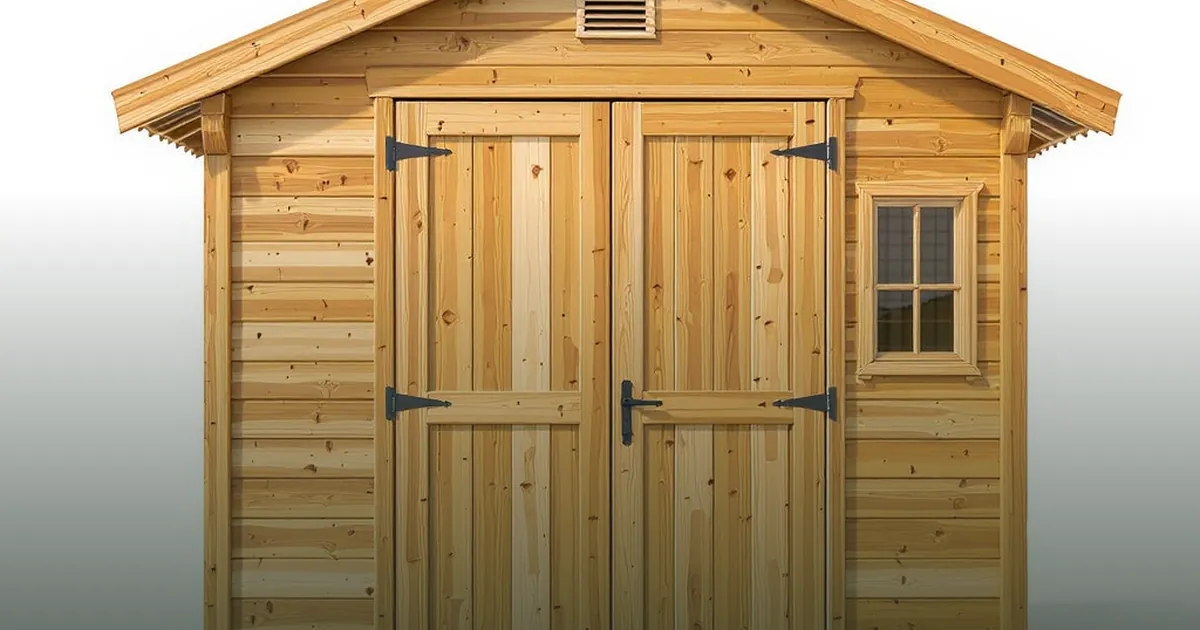
The honest way to size a shed is to list what goes inside it, then add forty percent. A mid-size push mower needs a 3-ft deep corridor plus working room — a 7x5 gable-roof shed handles mower, trimmer, tools and soil amendments with room to spare. Two bikes and camping gear fit a compact 5x3 steel bike shed without ceremony. A riding mower, a workbench and a table saw want a 10x12 or larger building — and once you are at that size, a double door and a window stop being luxuries.
Whatever fits today will not fit in two years: the snow blower arrives, the kids' bikes multiply, the holiday boxes migrate out of the attic. Plan for roughly forty percent more volume than your current inventory requires. A 10x10 cedar shed that looks oversized on delivery day is, statistically, the size you will be glad you bought.
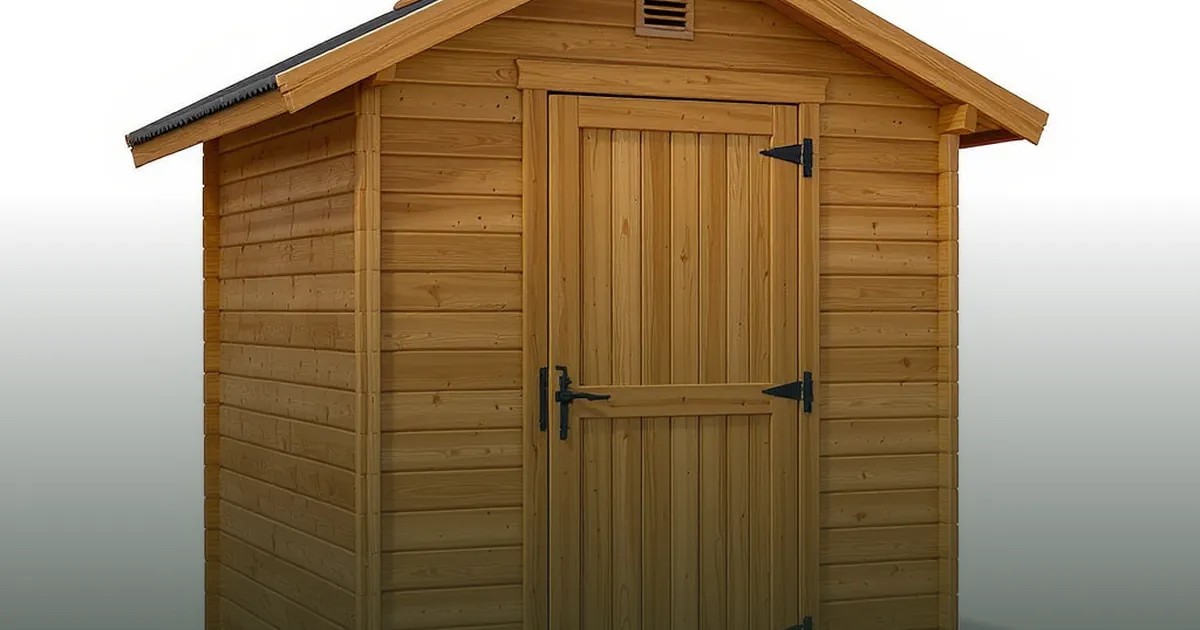
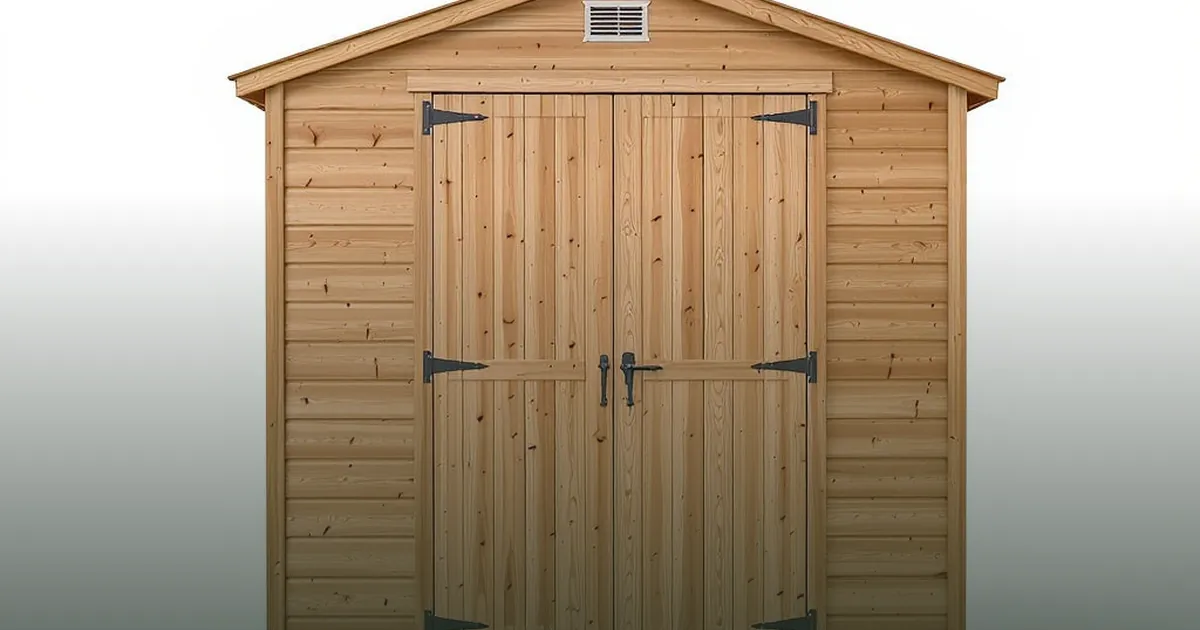
Wood (cedar, treated pine) is the traditionalist's choice and the chameleon's: it takes paint, matches trim, and handles heavy shelving on its studs. It wants maintenance — a stain refresh every few years — which is the price of a shed that looks like it belongs to the house. Our cedar and pine sheds arrive pre-treated with pre-cut panels.
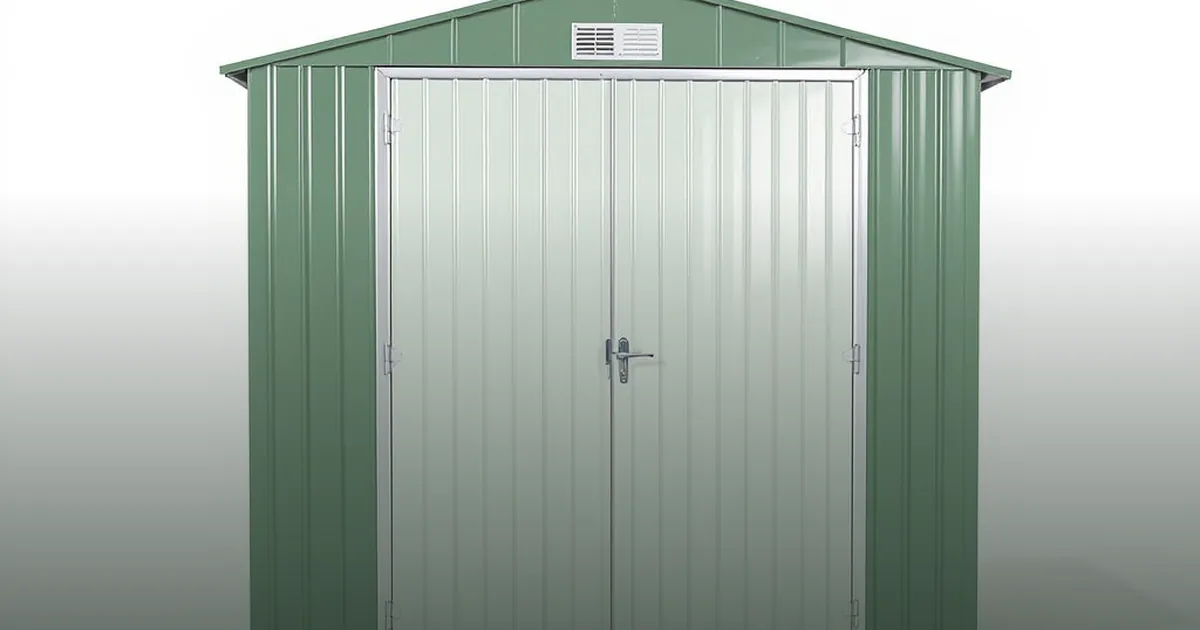
Steel (galvanized or vinyl-coated) is the maintenance-free answer: no rot, no insects, no restaining — occasional soap-and-water at most. A galvanized 6x8 steel shed shrugs off weather that would have a pine shed checking within a season. Steel runs hotter inside in summer and offers less shelving flexibility, but for pure storage-per-dollar it is unbeatable.
Resin (double-walled polypropylene) is the no-fuss middle path: lighter than steel, immune to rust and rot, assembled in an afternoon. A 6x4 resin shed is the pragmatic pick for patios and smaller yards where a building would overwhelm the space.
Three rules, learned the hard way by everyone who ignored them. First, mind the door swing: leave at least the door's width of clear paving outside the entrance, or you will be moving the wheelbarrow to reach the wheelbarrow. Second, respect the roofline — keep sheds 2 ft from fences and 4 ft from the house so air moves around the walls and rain does not funnel down the back face. Third, check the water: the low corner of the yard that seemed convenient collects the runoff, and a shed on wet ground is a shed with a rotting floor. Our foundation guide covers what to put under it.
Most US municipalities exempt sheds under a footprint threshold (commonly 100–120 sq ft) from permits, but HOAs and corner-lot setback rules add their own limits — a 10-minute call or website check beats a move-it-next-month surprise. Height limits matter too: a barn-style 10x12 with a full loft roof is taller than a lean-to of the same footprint.
Two specs decide daily usability more than floor area. Door width: a standard single door is 24–30 inches — fine for humans and hand tools, hopeless for riding mowers and wheelbarrows; double doors (36–56 inches combined) are the mower's minimum. Measure your widest machine and add four inches before trusting any doorway. Wall height: a 6-ft wall stores rakes vertically; a 7-ft wall stores you standing on a step stool without testing the ceiling. If the shed doubles as a workshop, height is where the air and the light come from — prioritize it.
A shed budget has three layers people forget. The building is layer one. The foundation — gravel, blocks or slab — adds $100–$600 depending on size and material. The fit-out (shelving, hooks, a ramp for the mower) adds another $50–$200. A $400 shed realistically lands at $550 installed and equipped; budgeting the true number up front is the difference between a finished storage system and a shed full of boxes on the lawn. The under-$500 collection is sized so the total — building, pad, hooks — stays under three figures of surprise.
Choose size by inventory plus forty percent, material by how much maintenance you honestly want to do, and placement by water, doors and setbacks. Work through the wood sheds, the steel buildings and the compact storage line with those three answers in hand — the right shed is the one that fits the yard you actually have.