Shed sizes are printed on every product page, but the numbers only help once you match them to the objects — and the workflows — they will hold. This guide runs the common use cases with real dimensions, so you can order once and never rent a storage unit again.
An adult bike is roughly 6 ft long and needs only 2 ft of width — which means bikes store beautifully in narrow buildings. A 5x3 galvanized bike shed holds two to three bikes side by side with helmets and a shelf above. Add a kayak, paddleboards or a wheelbarrow to the inventory and you want the 6x4 footprint instead — the difference between stacking gear and playing Tetris every weekend.
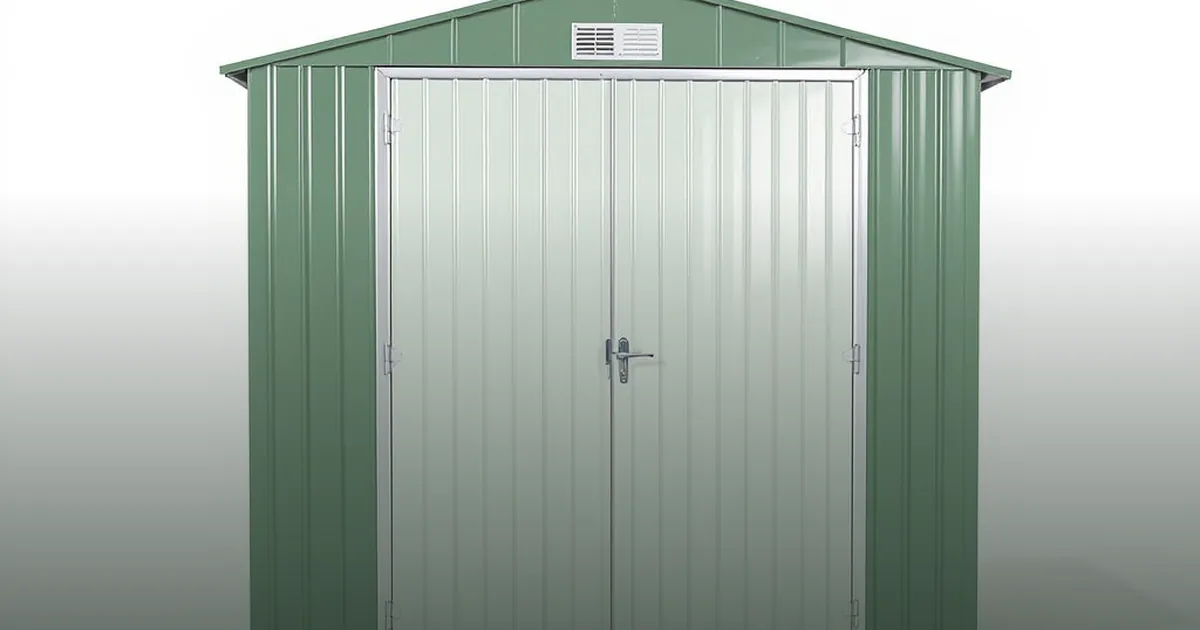
The classic tool-shed loadout — long-handled tools on one wall, a bench, pots and a shelf tower — lives happily in a 6x4 aluminum tool shed. Step up to 8x6 when the list gains a compost sifter, a second bench or a chest freezer. The 48-inch tool locker covers the minimal case: a dozen tools and the sprayer, no building required.
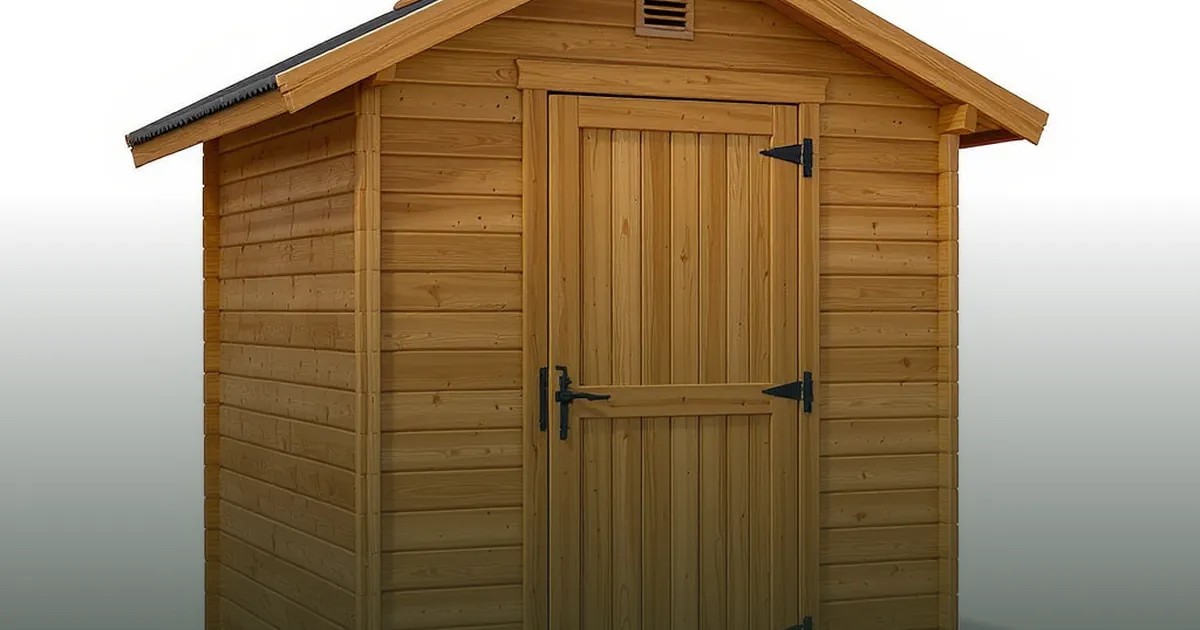
A push mower needs a 3-ft corridor and 5 ft of length; a riding mower needs 4 ft of width with the chute and room to dismount. The practical minimum for rider storage is a 7x5 gable shed with the mower nose-in and tools on the back wall. If the machine shares space with a workbench — and it always does — a 10x10 building is the first size that lets the mower and the workbench coexist without moving either.
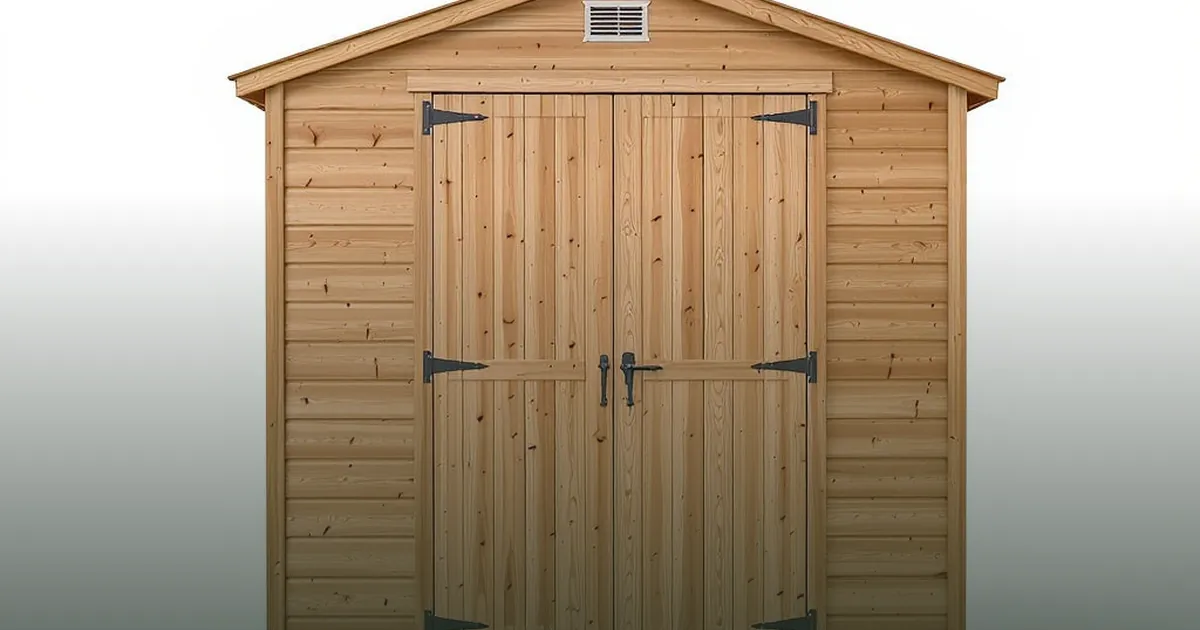
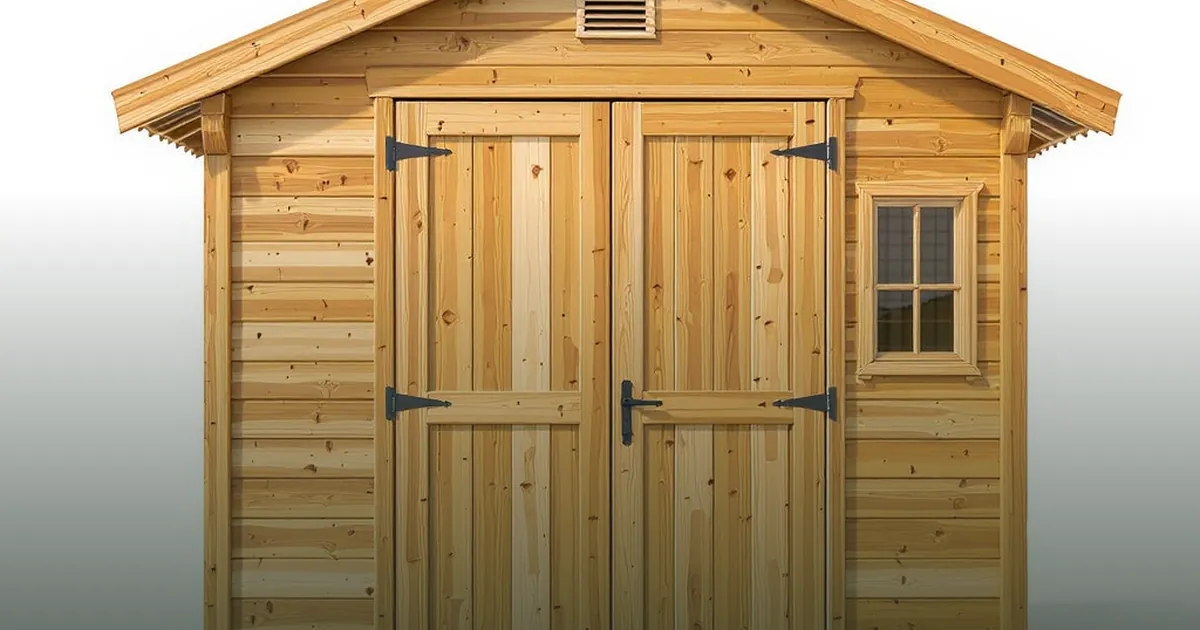
A real workshop — bench, table saw, lumber rack, walking space — starts at 10x8 and gets comfortable at 12x10. Two riders plus shelving wants a 10x12 treated-pine utility shed; the 12x16 barns are the "and everything else" tier, with loft space in the roofline for the boxes that only open in December. Measure the largest machine's diagonal before ordering — door width, not floor area, is what actually limits entry.
Not every storage problem needs a building. Firewood lives best off the ground with open sides for airflow — a 4x2x3 cedar firewood rack by the back door beats a garage pile for dry logs. The ventilated generator enclosure hides a noisy machine without a shed-sized hole in the budget, and the cedar compost bin turns a corner of the yard into a garden input.
Floor area is half the spec. Wall height decides whether rakes and shovels hang or lean — 6-ft walls hold tools vertically with room for a shelf above; anything taller stores plywood sheets and kayaks overhead. Door width is the real bottleneck: 24-inch doors fit people; 30-inch doors fit wheelbarrows sideways; double doors fit the machines. Before ordering, measure the widest thing that will ever roll in — including the day you bring home the snow blower — and add four inches. A shed with a 36-inch door never makes you regret it; a shed with a 24-inch door makes you regret it every spring.
The sheds that work are laid out, not filled. Zone the floor: an entry zone (nothing stored — the staging area), a long-wall zone for vertical tools, a back-wall zone for the big machine nose-in. Shelving goes above the zones, not in them. A 10x10 shed with three zones holds more than a 12x16 filled by accident — and the layout costs nothing but an hour with painter's tape before the shelves go up.
Size by inventory, then add forty percent — and check door widths against your widest machine. Walk the wood sheds and metal sheds with your list in hand, or start with the under-$500 range for the small-footprint winners.