Every shed material has a fan base and a complaint file. Wood is beautiful and wants painting; steel is tough and runs hot; resin is effortless and flexes in wind. This comparison puts the three side by side on the five factors that decide whether you will still love your shed in year ten — with real numbers from our own range.
Per square foot of storage, resin and thin-gauge steel win on sticker price: a 6x4 resin shed or an aluminum 6x4 tool shed lands in the $250–$480 range. Wood costs more per square foot — a cedar 8x10 runs $750–$1,100 — because you are buying dimensional lumber, framing and a roof that behaves like a small house's. The honest framing: resin and steel buy storage; wood buys a building.
Steel is the weatherproofing benchmark. Galvanized coating resists rust for decades; a vinyl-coated steel shed adds a polymer layer that takes scratches without opening the metal. Resin is immune to rust and rot by chemistry — its weakness is UV and wind: cheap panels chalk in the sun, and unanchored sheds walk in storms. Wood handles wind weight-for-weight better than either (a framed 10x12 pine utility shed is anchored by its own mass), but rain is wood's slow argument — the treatment and stain schedule below is not optional.
Steel: wash annually, check sealant around the roof every second year, done. Resin: hose it off; replace a cracked panel if you ever find one. Wood: re-stain or re-seal every 2–4 years, keep vegetation off the walls, clear the roofline each fall. Over ten years the wood shed asks for two weekends of maintenance a year; the steel and resin sheds ask for two hours. What wood gives back is repairability — replace one board, repaint one wall — where a dented steel panel usually means a replacement panel order.
For break-in resistance, steel with lockable doors is the clear winner — a lockable double-door steel shed is the right home for bikes and power tools. Wood's solid framing takes a hasp and a quality padlock well, and its walls hold heavy shelving, pegboard and hanging storage without special anchors. Resin walls are the most flexible: fine for garden gear, not the vault for the good tools. For heavy-duty workshop use, a 12x10 rust-resistant steel workshop shed pairs security with the floor area to actually work in.
Climate narrows the choice faster than any brochure. Humid Southeast (like our Florida home base): steel and resin win — termites, rot and mold make wood the high-maintenance option; a galvanized steel shed ignores all three. Frost country: wood handles freeze-thaw cycles gracefully and takes snow load by design; thin resin panels get brittle in deep cold, so choose double-walled or step up to steel. High wind and coastal salt air: anchored wood or heavy steel, with vinyl-coated finishes near the coast — salt finds every scratch in bare galvanizing. High desert sun: resin needs a shaded spot or UV-stable panels; wood wants the stain schedule kept honest.
Resin assembles fastest — panels snap, two people, 2–4 hours. Steel kits run 4–8 hours with a drill, a level and a patience reserve for panel alignment. Wood kits with pre-cut panels — the format our whole cedar range ships in — run a weekend: floor, walls, roof, then the satisfying part. All three arrive flat-packed by freight; delivery is a curb-side pallet, so plan a wheelbarrow or a friend with a strong back for the last fifty feet.
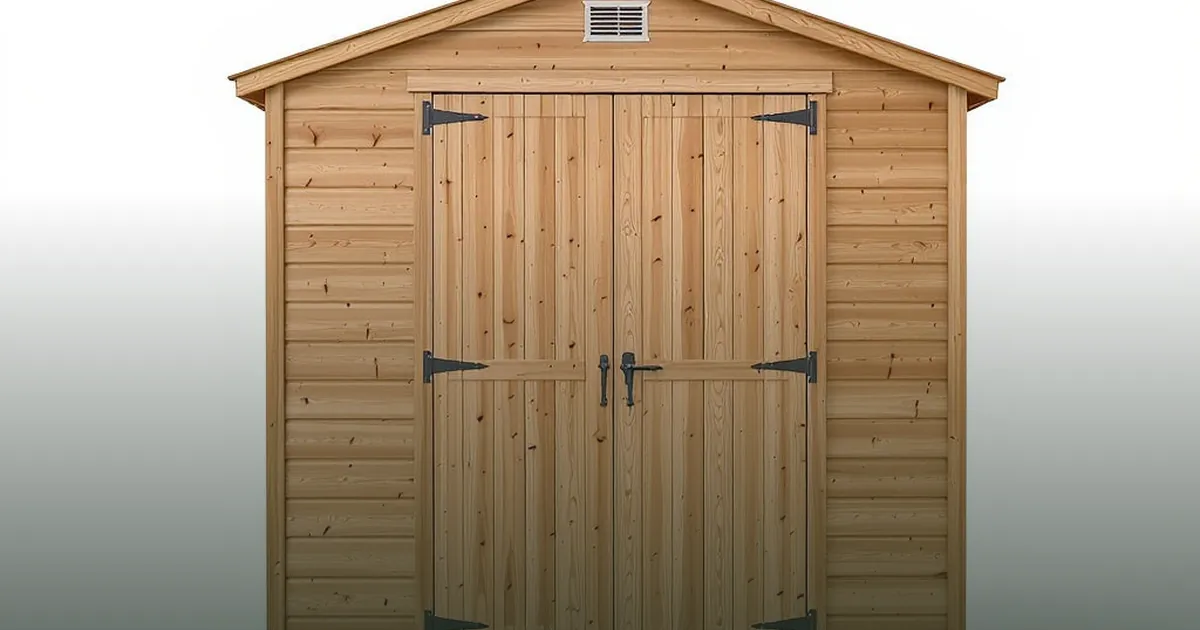
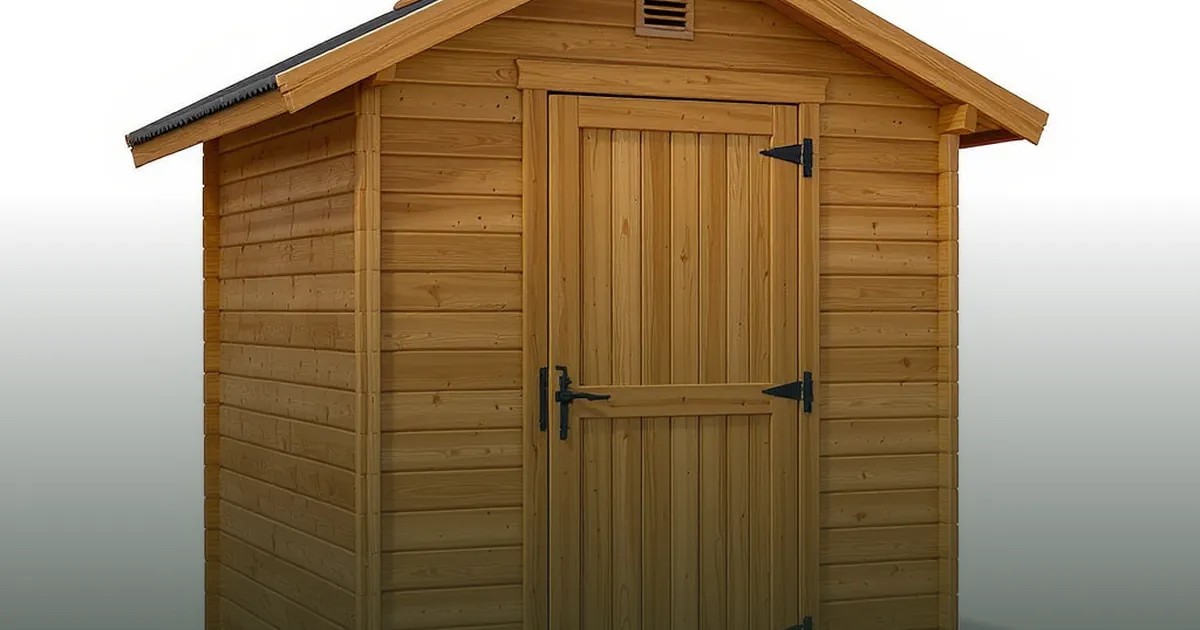
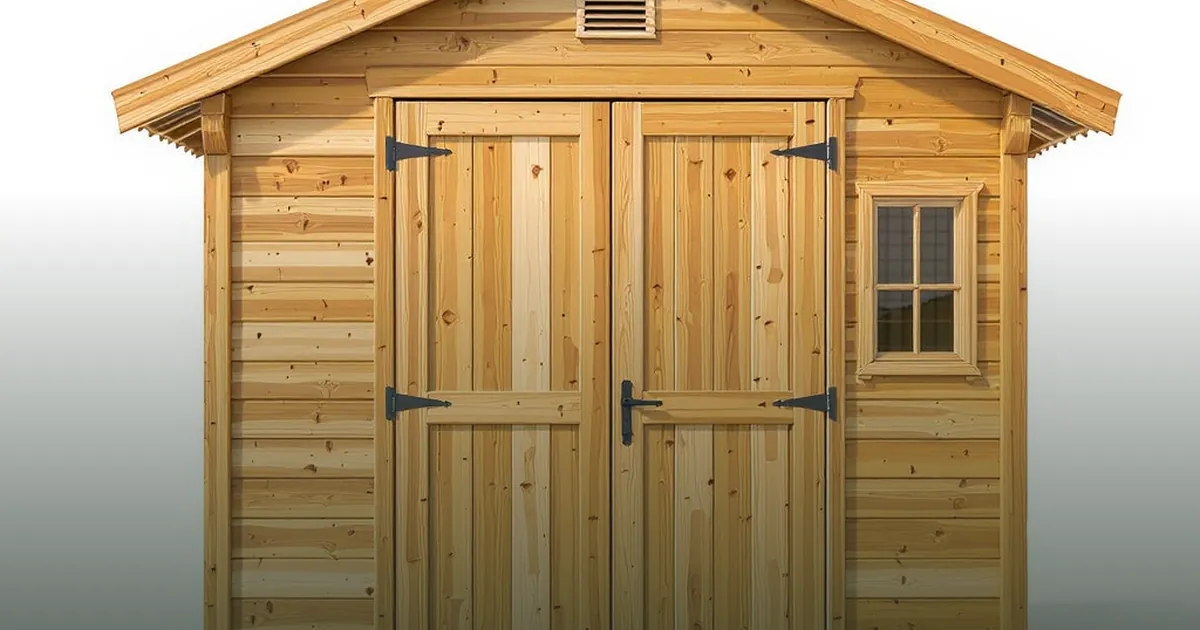
Wood: $750–$1,950 · paintable, shelving-friendly · re-stain every 2–4 years · best for visible yards and workshops.
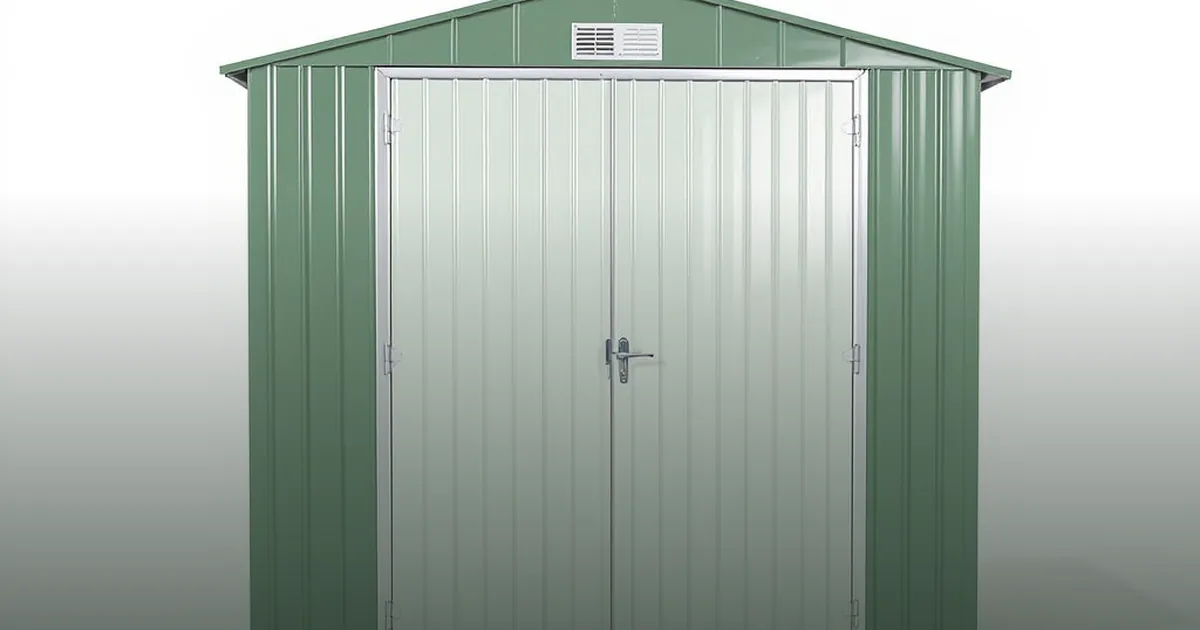
Steel: $300–$1,499 · lockable, maintenance-free · hot in summer · best for tool security and low upkeep.
Resin: $250–$320 · lightest and fastest to assemble · UV and wind care needed · best for small patios and seasonal storage.
Inside the walls, the materials behave differently. Wood framing takes shelving screws anywhere — a cedar 8x10 carries pegboard, French cleats and heavy shelf loads on its studs. Steel sheds want self-tapping screws into rails at set spacings and lighter shelf loads; resin walls hold only manufacturer-rated brackets. If your storage style is "everything on the walls," wood is the material that cooperates — one of the quiet reasons workshops keep getting built in lumber.
Choose steel when you want to forget about it, resin when the space is small and the budget is fixed, and wood when the shed is part of the yard's look or doubles as a workspace. Browse the wood sheds, metal sheds and compact storage — then read the sizing guide before you order.