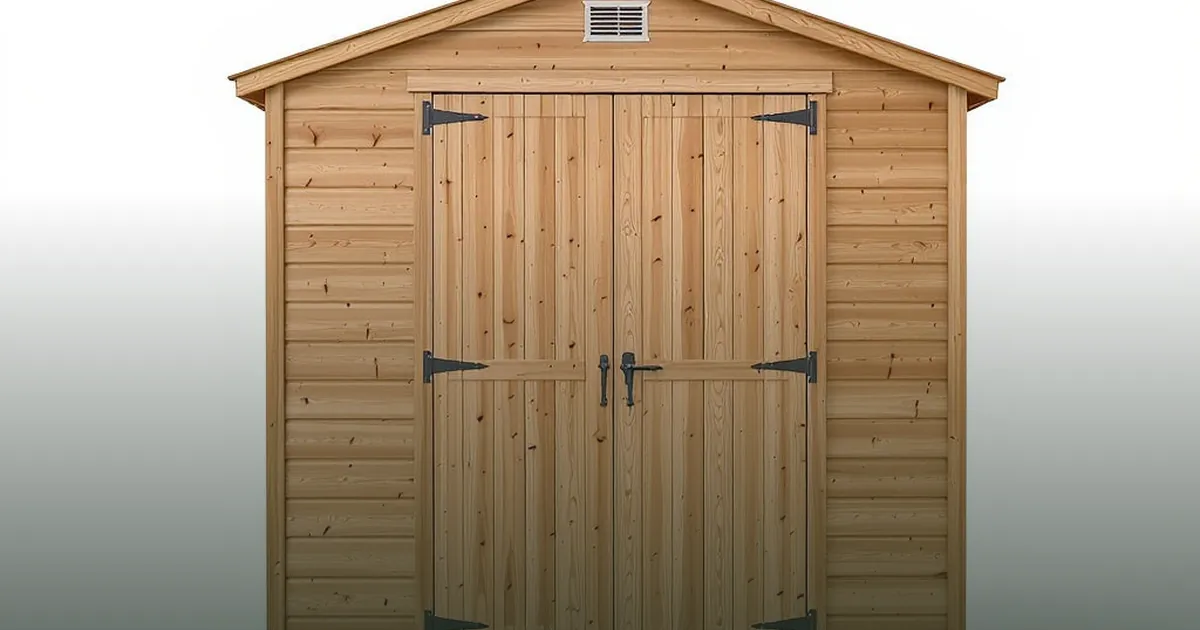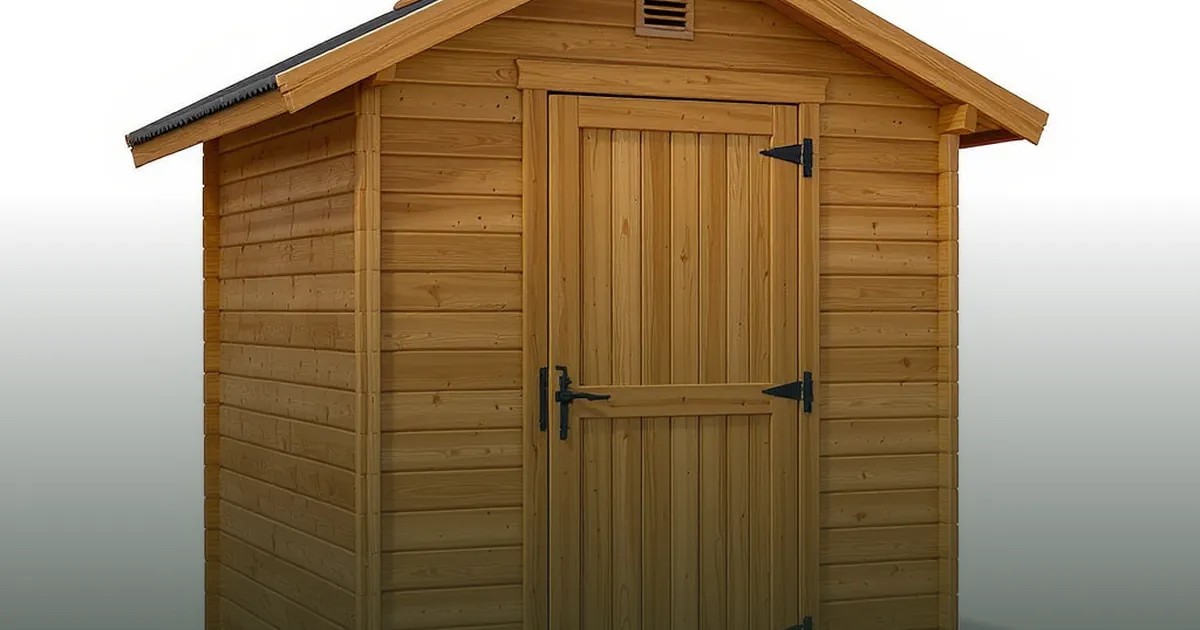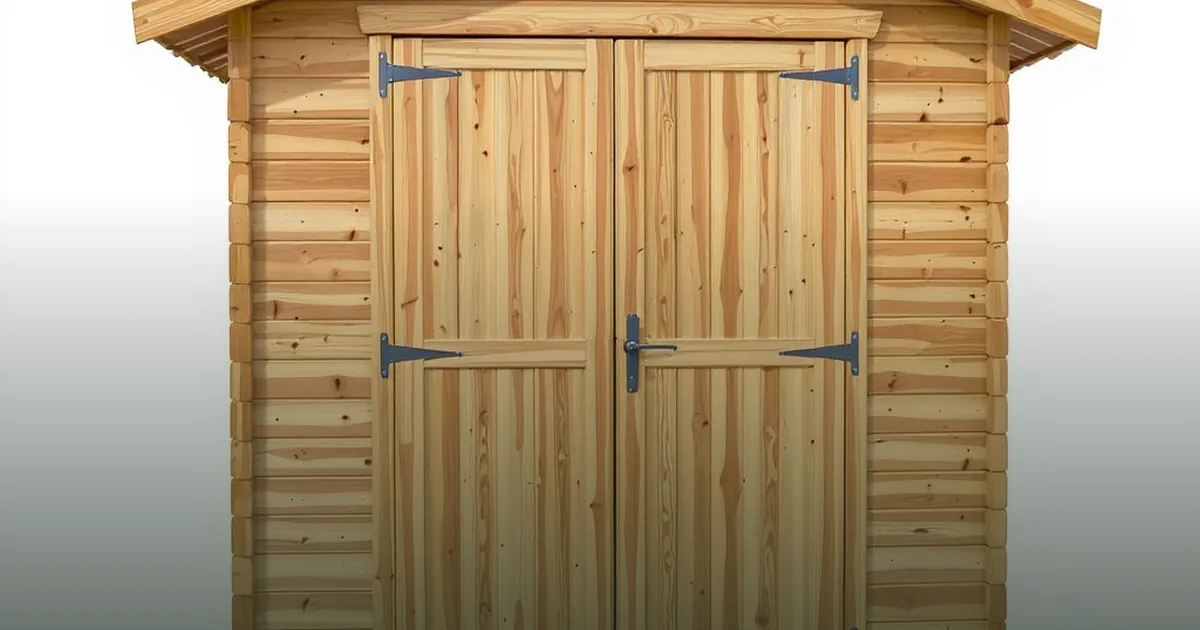
A wood shed is the only shed material that looks better in year five than year one — if it gets two weekends of care a year. Cedar and treated pine are naturally rot-resistant, but resistance is not immunity: water, sun and trapped moisture are always negotiating. Here is the maintenance calendar that keeps a wooden shed out of the repair queue for decades.
The stain is the shed's raincoat. Plan on re-staining every 2–4 years — sooner on south and west walls that take the sun. The test: sprinkle water on the siding; if it beads, the coat is working; if it soaks in, the wood is thirsty. Use a penetrating exterior stain (semi-transparent shows the grain and fades gracefully; solid color gives the longest UV life), and cut back vegetation first so walls dry after rain. Every shed in our wood range ships pre-treated — your first re-coat is typically year two or three, not month two.
More wooden sheds die of condensation than of rain. Trapped humid air — wet gear, snow-covered mower, damp firewood — condenses on the roof underside and rots the structure from the inside. Fight it three ways: keep the vents clear (our potting sheds ship with louvered vents for exactly this reason), leave an air gap between stored items and walls, and crack the door on dry days after wet weeks. A shed that breathes is a shed that lasts.
Before the first frost, walk the building with a ladder and a notepad. Roof: clear leaves from the roofline and gutters if fitted; check flashing at the door header. Walls: trim anything touching the siding — plants hold moisture and give insects a bridge. Floor: look under the door threshold, the number-one rot point; sweep gravel back into place so splash-back drains. Doors: a minute with the level — a door that swings open or shut on its own is the first symptom of a settling pad, and the cheapest moment to fix it.
Roof designs in our range — gable, barn and lean-to — all shed snow by slope, but wet snow is heavy: after a dump, rake the roof from the ground with a roof rake if accumulation passes a foot. Inside, move firewood and fabrics off exterior walls; the dedicated firewood shed exists because woodpiles indoors are both a moisture source and a pest invitation.
Spring is the shed's annual physical. Walk the perimeter: look for boards that have lifted or checked, stain that has gone chalky, and soil that has washed out from the pad's low side. Inside: sniff for mildew — the nose finds what the eye misses; a musty smell means a ventilation or leak problem to trace before summer. Run the door: it should close on its own weight without scraping. Check the roof from the ground with binoculars: lifted ridge caps and rust-streaked fasteners are the two early warnings. Thirty minutes in April prevents the four-figure repair list of September.
Door dragging: the pad settled at one corner — re-level with shims under the low runner, not by planing the door. Black streaks on siding: moisture held against the wall — trim the vegetation, wash with a mild bleach solution, re-stain. Wasp nests under the eaves: treat at dusk in spring, screen the gaps with steel wool. Dark, soft threshold: the classic rot point — replace the board, and add a drip edge or gravel splash strip so the fix holds. Every one of these is an hour's work when caught in the spring inspection, and a weekend's when caught in year five.
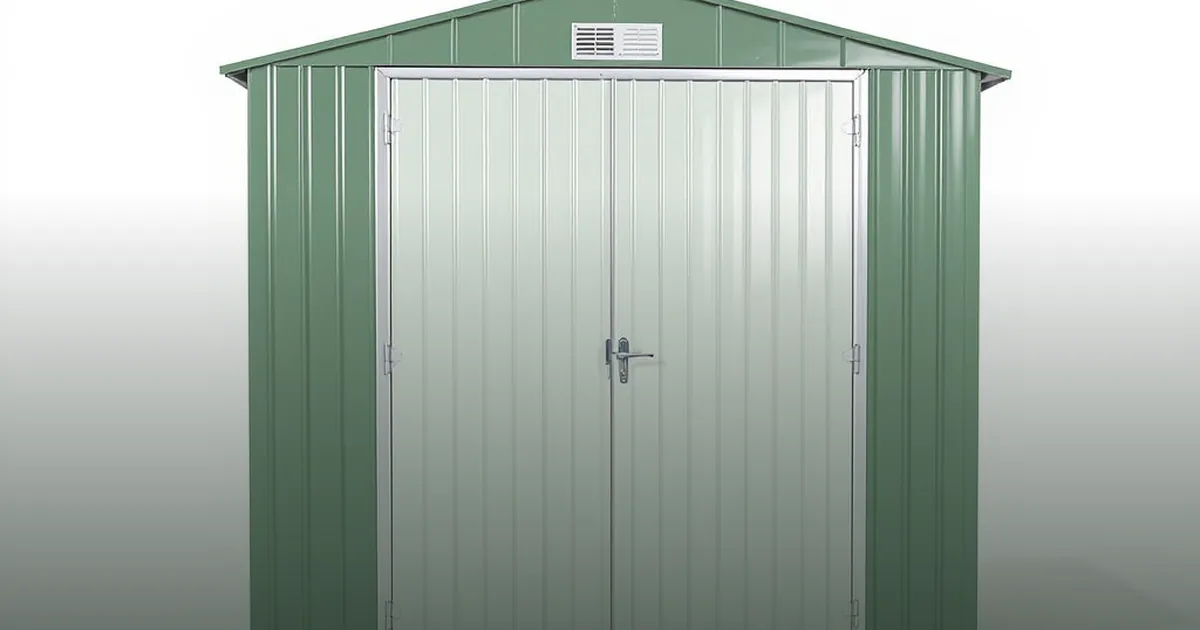
Wood's superpower is spot repair. A checking board takes a filler and stain pen; a warped board unscrews and replaces in minutes — keep two spare boards from delivery day and label them. Loose fasteners get a quarter-turn each fall. Insect trouble (carpenter bees are the usual suspect) is a matter of plugging holes with dowels and wood glue in spring before nesting season. None of this applies to the steel range — which is the honest reason people buy both.
Stain on schedule, ventilate always, walk the building each fall. An hour a season keeps a cedar 8x10 or a 8x12 gable roof shed sound for decades — and the care calendar is shorter than the one for the lawn it sits on.